EGGSILE

Game Plot

Two penguins taking care of an egg and collaborating to bring it to safety and avoid environmental enemies and dangers

14
4 weeks
2-player, puzzle, platformer, coop
My Role
LEVEL - DESIGNER

Longer. when the penguin slides
Players
-
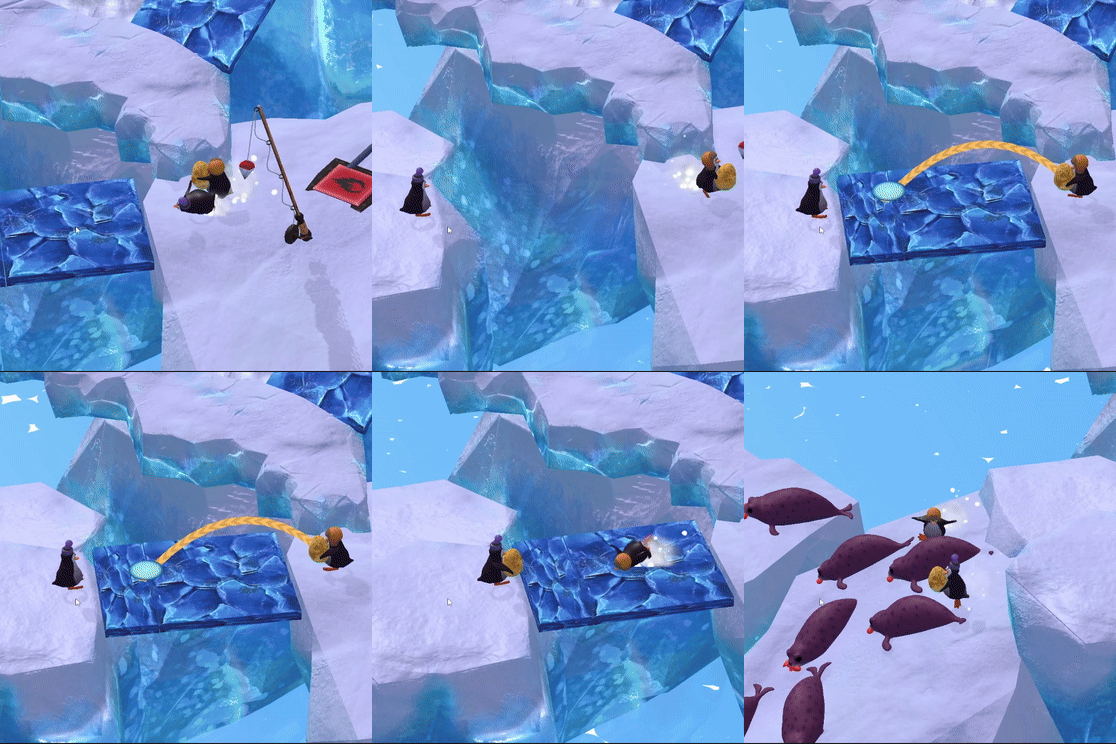
Players can walk, slide and jump.
-
They can throw and catch the egg.
-
The EggBearer Penguin can not jump or slide.
- Speed of sliding is more than walking. Players need to slide on falling platforms or they fall before reaching the end.
Egg
-
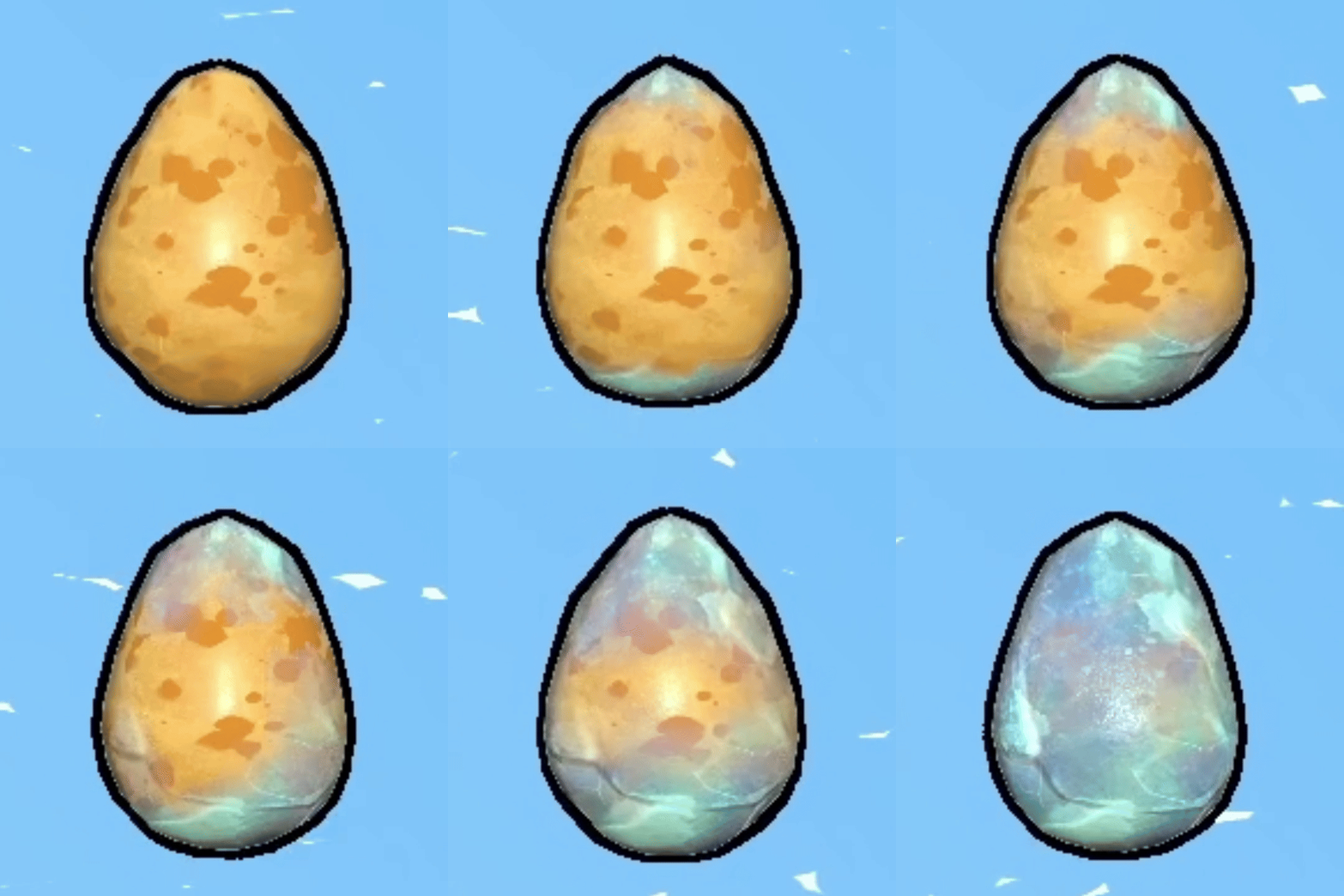
In every chapter the Egg grows and becomes heavier.
-
The Egg will freeze and die if it is left on the ground for too long.
Seals
-
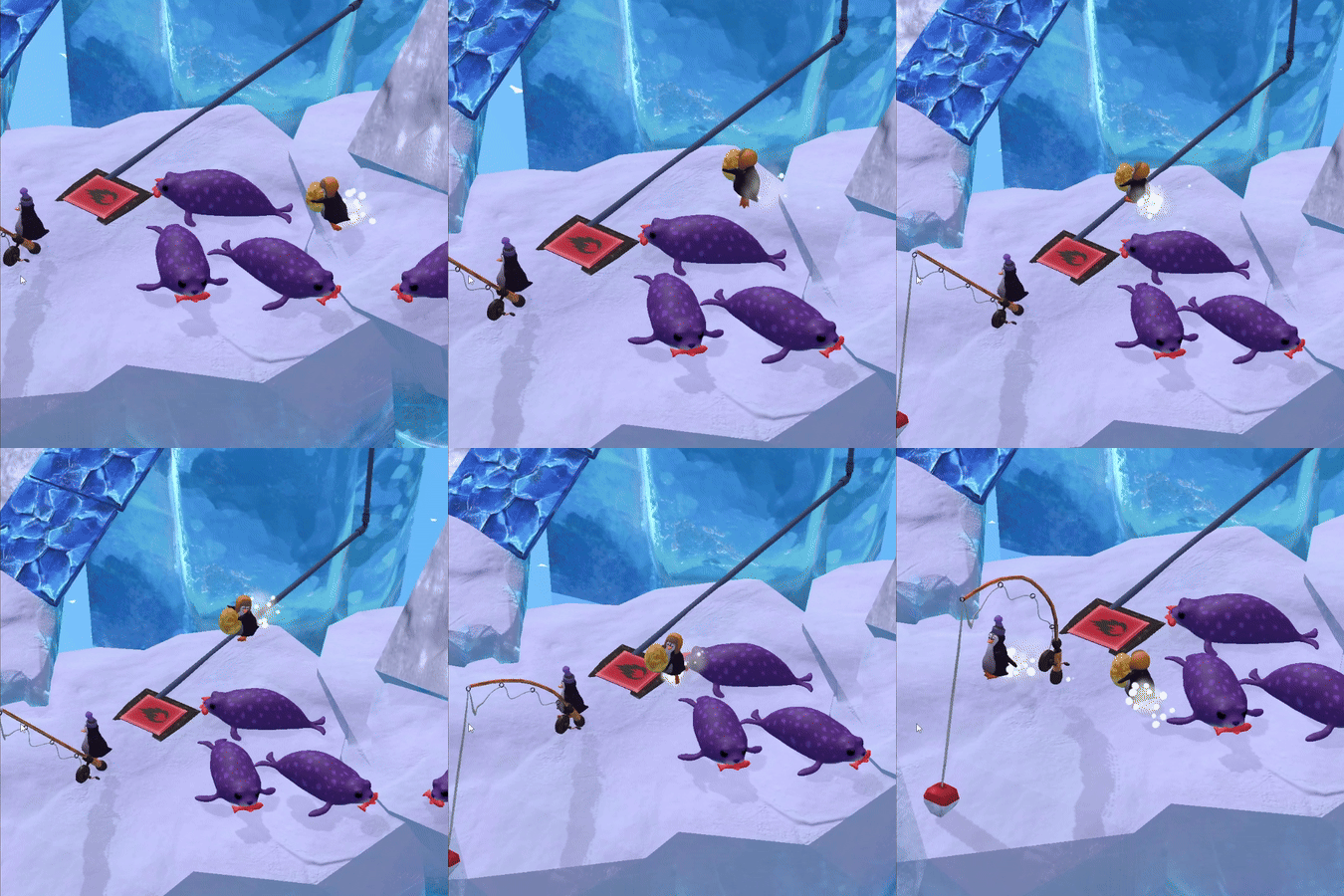
The seals have bouncy properties.
-
They priorities Fish over Egg.
-
If they have Fish they will stay in their place.
-
There are two types of seals:
-
Peaceful seals(static with Fish in their mouth)
-
Aggressive seals(no Fish)

Mechanics

Overview
Egg as weight
One player moves to the other side, places the egg on a button, and stands on the other to open the path for the second penguin.


Separating Players and using the eggs weight

Introducing the Peaceful seal
Peaceful seals have fish in their mouths. These seals are static and are placed in a way that the players will most likely hit them and bounce upwards.
They can also be used to go back up, in case players forgot the Egg.
The game has three chapters. In Chapter 2, the egg has grown in size and weight. Players first figure this out in a small space near the checkpoint by using the egg's weight to activate a platform. They also get introduced to peaceful seals.
Part 1: Egg Has Grown


Path making for eachother
-
Players are separated. one activates a platform while the Egg-bearer uses Peaceful seals to reach a higher area.
-
The Eggless penguin activates a platform for the Egg-bearer, who travels to the new area and encounters an aggressive seal.
-
The Egg-bearer then activates a platform for the Eggless penguin to join.
-
These activated platforms are easily noticeable.
The Aggressive seal
-
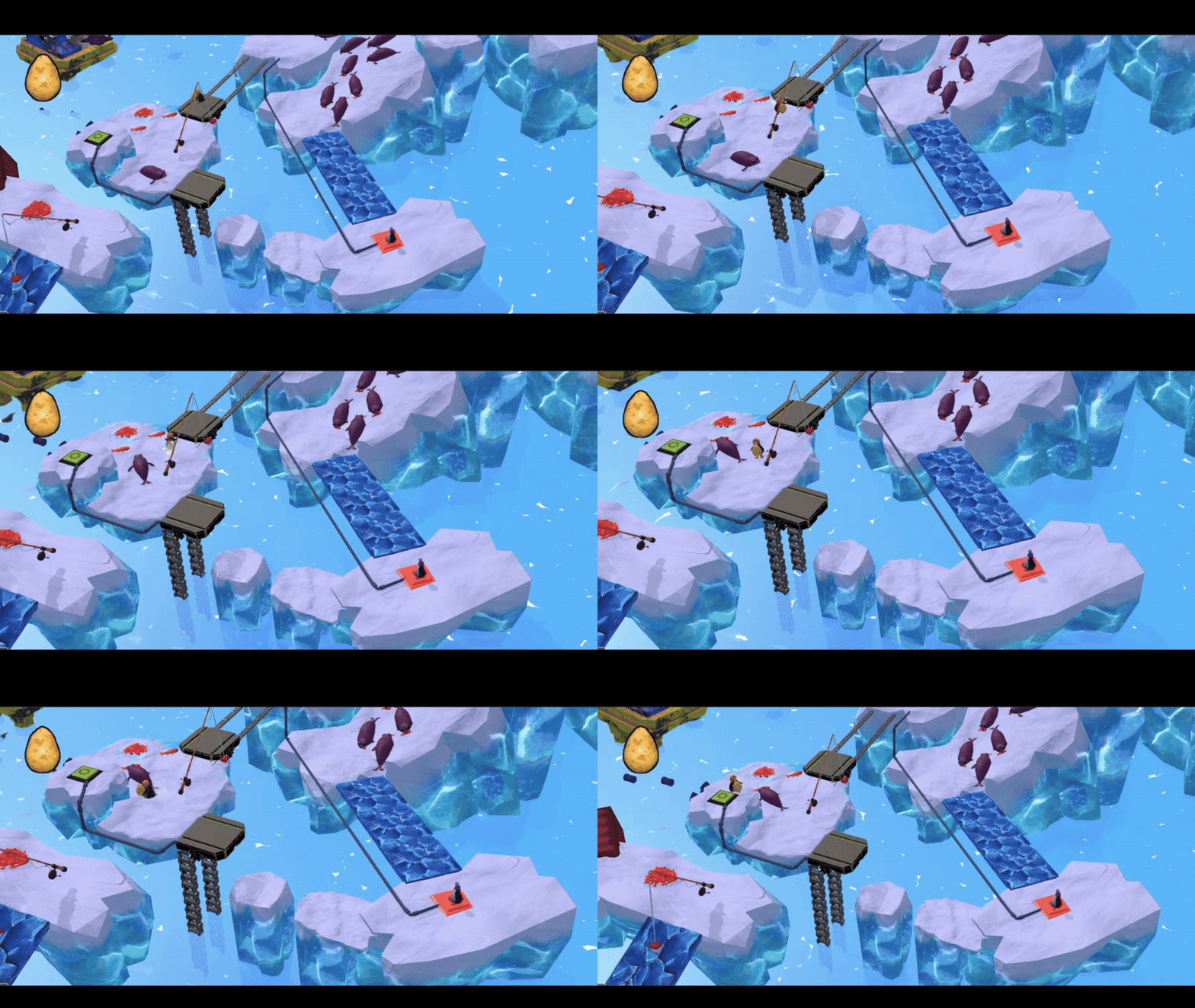
A hungry Aggressive seal waits and detects the egg when the player walks forward.
-
As the seal moves towards it, a fish comes into range. Since the fish has higher priority, the seal follows the fish instead, showing the fish’s influence on seal behavior.
Playtest Insights
In the older version, the seal appeared before the fish, and the Egg-bearer had to run away. In the next part, players used the fish to lure the seal, but some mistook the fish for decoration. I changed the level to show the fish's influence more clearly.

The Players Encounter an Aggressive seal for the first time, and learn that it likes fish more than egg.
Part 2: Yummy Fish

In this part Players use the seals's interest in fish and the Egg to progress.
Part 3: Trickery & Greed


Fish as bait/Seal as weight
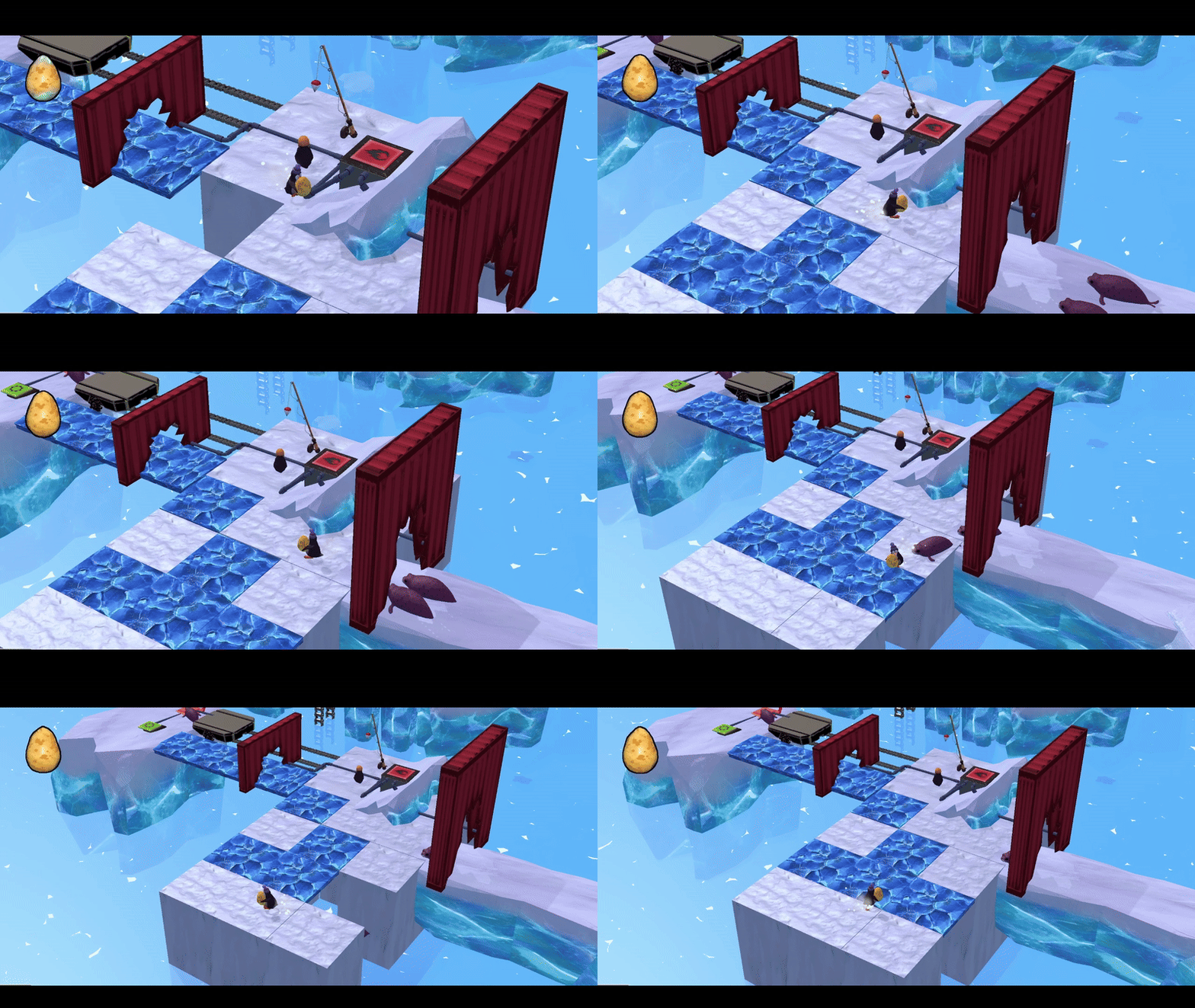
Players lure the seal onto a button using a fish from a pile. The seal's weight activates a platform to send the Egg-bearer to the next part. There, the Egg-bearer activates a button so the Eggless penguin can slide on falling platforms to join the other player and the egg.
Egg as bait
Next, with no fish nearby, players use the Egg as bait to lure seals to their doom. By using falling platforms, players can drop the seals out of the way.
Playtest Insight
-
The angle of the slide is not easy to slide on.
-
Some players might go back to bring a fish.( Not the intended gameplay but I think it's fine)
Design Process
-
We were three level designers. We started by coming up with puzzle ideas inline with our theme.
-
My approach was to write puzzle ideas that would need collaboration from the players and then make a simple sketch to make it more understandable. We discussed all of the designs, chose the mechanics based on them, and proceeded by designing the levels. I enjoy using the same Element in different ways especially using what is dangerous to players as something useful. For example, the seal is the enemy, a bouncy platform, and can be used to activate buttons.

Sample Part of level to discuss assets with Artists
My Experience
-
Having a goal behind each design made it easy to evaluate and discuss.
-
It was very gratifying to see players enjoying the co-op experience and laughing.
-
I enjoyed taking responsibility for a specific part of the project. It was great to share ideas and problem-solve with others.
Process
Visibility
-
Problem: In the beginning parts of the level, playtesters didn’t know how to move forward or solve the puzzles.
-
Reason: the level was too big. Since there are two characters and an egg that must always be visible, the scale caused confusion.
-
Solution: I made the levels smaller so that the moving parts are always visible, ensuring players notice the effects of activating buttons. I also added cables connecting the buttons to the platforms to make the logic clear.
Depth Perception
-
Problem: players had difficulty understanding the depth.
-
Reason: Using different rotations for the mountains combined with the isometric camera view, made it hard to understand depth.
-
Solution: Making most angles perpendicular and remove extras.

Key Takeaways
-
Keeping angles perpendicular helps with depth understanding and player movement in Isometric view.
-
a compact level helps show important parts to players at a glance.
-
We spent too much time discussing the narrative.
-
When teaching something new, there shouldn’t be an obvious way to solve the puzzle without using that specific technique.
Level before Assets for playtest.
Mistakes Made & Lessons Learned
Thanks for Reading